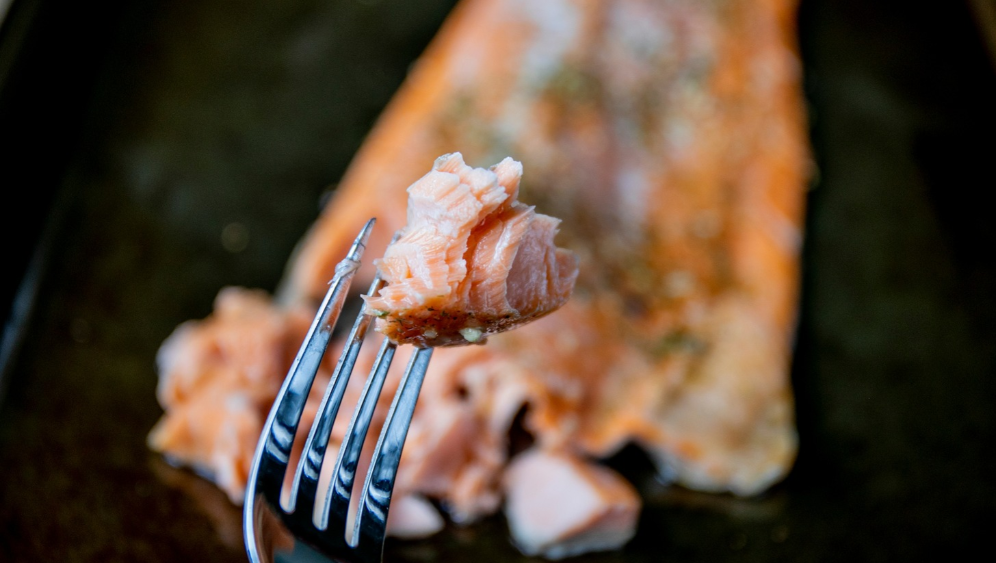
Quick answer: Fish like trout, salmon and Arctic char provides high-quality protein, omega-3 fats and essential micronutrients in a smaller serving. That makes it a useful option for people taking GLP-1 medications who want to meet their nutritional needs while eating less.
If you’re taking Ozempic, Wegovy or Mounjaro and want to make the most of a smaller meal, fish could be your best friend at dinner.
These medications can reduce appetite, which may mean smaller portions and less interest in food. Choosing foods that bring several nutrients together can help make those meals count.
Trout, salmon and Arctic char bring high-quality protein, valuable omega-3 fats and essential micronutrients like vitamin D, B12 and selenium together in one delicious serving. The amounts vary by species and preparation, but the combination makes these fish a nourishing addition to your plate.
Protein is particularly important during weight loss because your body needs it to maintain and repair muscle. Eating enough protein, alongside strength training, can help support muscle preservation as you lose weight.
Fish also brings flavour and variety. Baked trout with lemon, salmon flaked into a grain bowl or Arctic char served with roasted vegetables can make a smaller meal something to look forward to.
What does the research say about omega-3s and muscle health?
Research specifically examining fish alongside GLP-1 medications is still limited. However, several human studies have explored omega-3s and muscle health during ageing, inactivity and strength training.
Here are three worth knowing about:
1️⃣ Omega-3s and muscle health in older adults
A six-month randomized trial at Washington University School of Medicine found that omega-3 supplements improved muscle volume and strength compared with placebo in older adults.
The trial enrolled 60 adults aged 60–85, with 44 completing the study. Researchers measured thigh muscle volume, grip strength and other strength outcomes. The findings suggest a potential role for omega-3s in supporting muscle health as people age. (Smith et al., 2015)
2️⃣ Less muscle loss during inactivity
A small McMaster University study examined 20 young women during two weeks of leg immobilization. Muscle volume declined by 8% in the omega-3 supplement group, compared with 14% in the control group.
Participants began taking the supplements four weeks before immobilization. The study provides an interesting example of reduced muscle loss during inactivity, although it did not examine weight loss or GLP-1 treatment. (McGlory et al., 2019)
3️⃣ A promising partner for strength training
A Brazilian study involving 45 older women found that fish oil enhanced some of the benefits of strength training.
Women taking fish oil alongside training had greater improvements in muscle strength and functional ability, including chair-rising performance, than women doing the training alone. (Rodacki et al., 2012)
These studies used supplements rather than fish meals, and they did not test people taking GLP-1 medications. Results across studies vary, including during calorie restriction, so they don’t establish that eating fish prevents muscle loss during GLP-1 treatment.
Fish fits the expert advice
A joint advisory from four US medical and nutrition organizations, published in the American Journal of Lifestyle Medicine, includes fish among nutrient-dense protein foods that can help people meet their nutritional needs during GLP-1 treatment.
The advisory also emphasizes strength training alongside adequate protein to help preserve muscle during weight loss. (Joint advisory, 2025)
That brings us back to dinner.
Gram for gram, trout, salmon and Arctic char punch above their weight. These types pack protein, healthy fats and micronutrients into every bite.
With so many options at Springhills and countless ways to prepare them, you can scale back the portions and still get hooked on dinner. 🐟
Common questions about fish and GLP-1 medications
Is fish a good protein choice while taking GLP-1 medications?
Yes. Fish provides high-quality protein and other nutrients, making it a useful choice when a smaller appetite makes it harder to eat enough.
Does fish make GLP-1 medications work better?
There isn’t convincing human evidence that eating fish or taking omega-3 supplements improves the effectiveness of GLP-1 medications. The stronger case for fish is its contribution to a nourishing diet during treatment.
Can omega-3s prevent muscle loss during weight loss?
Some studies show benefits for muscle health, particularly during ageing or inactivity, but findings during weight loss are mixed. Omega-3s should not replace adequate protein or strength training as part of a muscle-preservation strategy.
Which fish provide protein and omega-3s?
Trout, salmon and Arctic char all provide protein and omega-3 fats. Their nutrient content varies, so check individual product information when comparing servings.
Related
Items
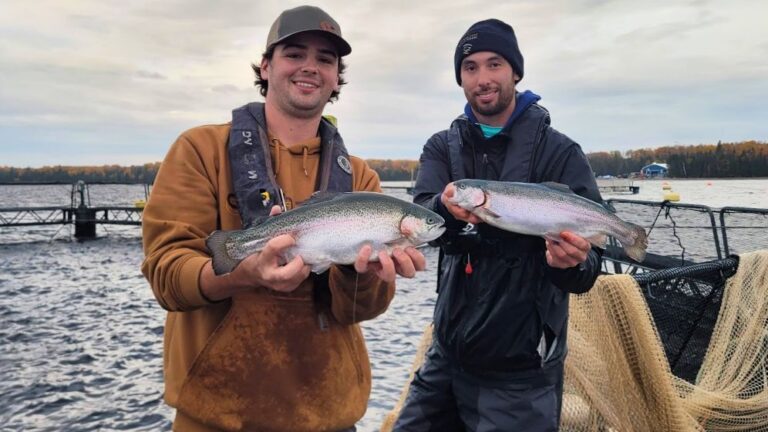
Is Trout Salmon? A Guide to Rainbow Trout, Steelhead and Different Types of Salmon

Why “wild” isn’t enough when choosing fish